

Accept the Self
“Acceptance is the only real source of serenity. You can live with your brokenness and in spite of it.”
~ Lisa Engelhardt

Step into your sanctuary for peace and hope at Hopeaced Together. Connect with our community and start your transformative journey today!
Radical acceptance, the complete acceptance of reality as it is, not as we wish it to be, is a liberating relief. As a recovering perfectionist, I recall the days of feeling the need to be flawless. I had to excel in school and strive to be the best at everything I did. These unrealistic expectations led to an overwhelming sense of responsibility for myself and those around me. Embracing radical acceptance, however, has allowed me to let go of these burdens and focus on my personal growth, bringing a sense of serenity and peace.
People often reach out to a therapist when they feel hopeless and their lives are falling apart. In this context, a therapist serves as a conduit, allowing inner wisdom to flow through defense mechanisms and unhelpful thinking, guiding the client towards radical acceptance and personal growth. This professional support is crucial in the journey towards self-acceptance.
Carl Rogers's humanistic approach emphasizes self-actualization. This involves reaching our highest potential while being true to ourselves, allowing our light to shine brightly. We can achieve self-actualization when we accept ourselves for who we are, including our struggles and hardships, as well as our strengths and joys.
Peace arises when we accept who we are instead of trying to change ourselves to fit in with the crowd. We all have an inner light. We dim that light when we try to confine ourselves to the box of the status quo. Being true to ourselves brightens our light, serving as a beacon to others.
Life happens to all of us. I haven’t met a perfect person yet. We are all a little broken by life’s heartbreaks, but also unique and stronger. The Japanese have a concept called Kintsugi, which involves repairing broken items with gold or silver powder. Often, this process makes the items more beautiful than they were initially. Embracing our imperfections can empower us to become more resilient, confident, and unique, reinforcing the importance of self-acceptance and inspiring us to see the beauty in our imperfections.
Living an authentic life involves self-exploration and releasing the expectations imposed on us by others. It is a journey into our inner depths, requiring the courage to allow our true selves to shine. It means accepting our light while also acknowledging our shadow. We can find a sense of inner peace and serenity when we embrace and accept ourselves for who we are. This journey of self-exploration can be challenging, but it is also gratifying, encouraging us to keep moving forward and discovering our true selves.
Accept Others
“Ignore unfair criticism. Others can’t hurt you unless you let them.”
~ Lisa Engelhardt

People are who they are—imperfect beings trying to find their way down a winding road, and we cannot change them. Embracing this truth can be liberating, as it frees us from trying to mold others into our ideal.
Unconditional positive regard is a form of acceptance. Carl Rogers discussed the importance of unconditional positive regard in his Humanistic approach to therapy. He believed that people would achieve self-actualization (their highest potential) quicker if they were accepted for who they are as humans rather than fighting against their core selves. It is a way to develop one's inner light and let it shine.
Embracing our uniqueness and accepting ourselves as we are is the first step towards self-actualization. Although becoming our best version of ourselves may require changing some thoughts, beliefs, and behaviors, we must first acknowledge the strengths and values we bring to the world.
Some people spend years in a relationship, hoping it will return to how it was in the beginning, instead of acknowledging how things are now. This creates disillusionment in the relationship. When we spend our time and energy trying to change someone else, we lose the ability to focus on ourselves to become the unique person we are. When we allow others to be themselves, releasing the urge to control or change them, we open up opportunities for them to learn and grow into the best possible version of themselves.
Unconditional love involves accepting another, including their strengths and weaknesses. It is seeing the person for who they are instead of who we want them to be. People are not perfect, so it is unrealistic to expect perfection from another. Unconditional love means loving someone despite their flaws and imperfections, and it is a powerful form of acceptance. We are more similar than we are different. On the other hand, it is not acceptable to tolerate abuse.
There are people in the world who are intent on hurting others and inflicting suffering on those around them. It is essential to understand that pain is not love. People who abuse others tend to operate out of power and control rather than equality. A healthy relationship involves equality in decision-making, contributions, and respect.
In this age of social media, there is an almost constant wave of criticism, including much that is unwarranted. Thumper taught us the life lesson: if you don’t have anything nice to say, don’t say anything at all. Ultimately, each of us will need to accept responsibility for the consequences of our actions, not the actions of others. It can be easy to experience the hurt and pain from others’ words. However, others have not walked in your shoes. They do not clearly understand all the factors that go into making the decisions you have made in your life.
Let go of unhelpful or unbeneficial criticism from others. This act of release is not a sign of weakness but strength. One way to do this is to remind yourself that others’ opinions do not define you. Let others spend their time as they wish. If they want to spend their time on social media tearing down others, that is on them, not you. By doing this, you can move on with your life, feeling empowered by your ability to rise above negativity.
Accept the World
“Accept your path, with its many twists and turns. The adventure is in the journey, not the arriving.”
~ Lisa Engelhardt

Radical acceptance allows us to let go of fighting reality and release things outside of our control. The final concept we will discuss regarding radical acceptance is its application to the world around us. It's about accepting the world as it is, with all its beauty and perils, and finding peace.
Earth is a vast wonderland adorned with natural marvels, from the Great Pyramids to the Grand Canyon. It inspires awe and wonder. However, it is also filled with dangers and perils, ranging from natural disasters to predators. Acknowledging these dangers is crucial, as it keeps us prepared and aware, even as we marvel at the beauty.
In addition to natural risks, humans also create dangers through war, human suffering, and torture. It is easy to overlook these artificial dangers when we stay within the safe confines of a peaceful community. Radical acceptance enables us to recognize and accept all forms of reality, including easily forgettable ones. It is simple to distance ourselves from human suffering, expressing sentiments like, “It’s not happening to me.”
The final stage of grieving is acceptance. Typically, we reach this stage only after going through the other phases: denial, bargaining, depression, and anger. When we experience a loss, we may deny that it happened, negotiate to bring back the deceased, feel profound sadness, and experience intense anger. Acknowledging the reality of our loss grounds us, allowing us to move forward in our lives.
The Serenity Prayer encourages us to accept the things we cannot change: “God, grant me the serenity to accept the things I cannot change, courage to change the things I can, and wisdom to know the difference.” This prayer becomes a mantra for individuals to release the weight of what is out of their control.
The state of the world is what it is now, even if we wish it were different. There are things within our power to change, and we must accept what we cannot change. This acceptance empowers us to focus on what we can change, bringing us a sense of peace and serenity.
Final Thoughts
Radical acceptance is the process of accepting reality for the way it is, even when it does not align with our desires or expectations. This practice encourages us to accept ourselves, others, and the world. By acknowledging our circumstances, we stop the exhausting battle of fighting against our own existence. We learn to embrace our struggles and celebrate our triumphs. Radical acceptance opens the door for a clearer understanding of facts and truths rather than living in a mental world of fantasy and illusion.

Practical Application
Practice radical acceptance every day by focusing on something unpleasant in your life. Hold your arms with your palms facing upward towards the sky. Repeat the following: I don’t like this, I can’t change this, I accept this. Notice your observations of the activity and write them down in a journal.
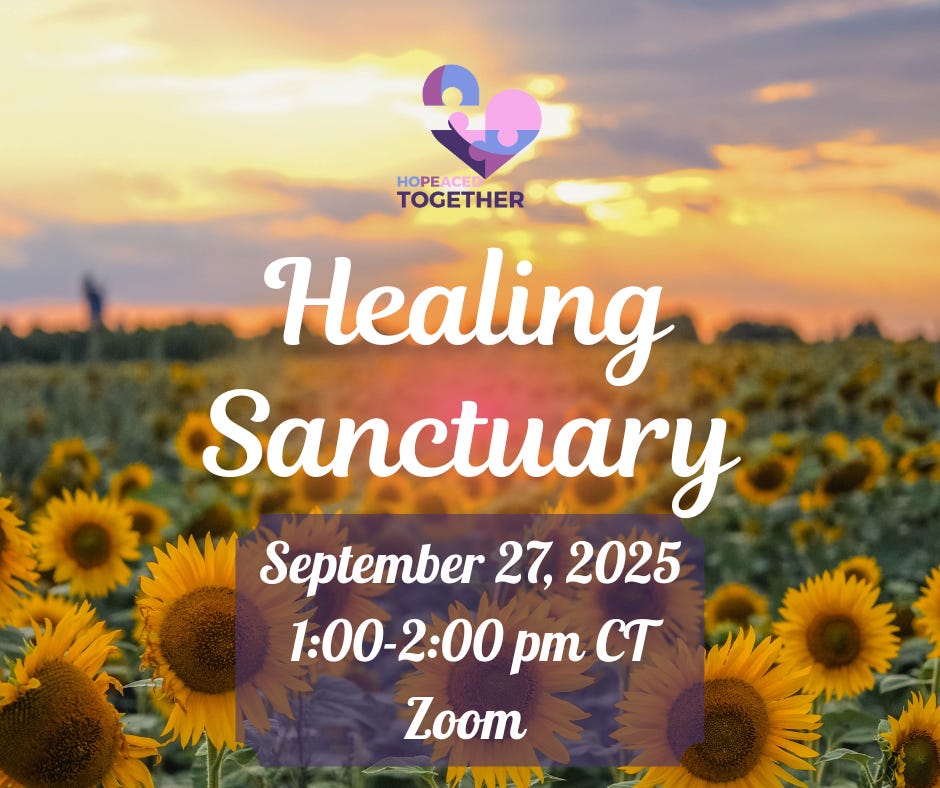
Join us for our monthly healing sanctuary on August 30 from 1:00 to 2:00 pm CT, where paid subscribers come together in a nurturing environment to cultivate hope and inner peace. In these serene gatherings, we create a warm and supportive community, encouraging mindfulness, connection, and personal growth. Each session offers a unique blend of guided practices, reflective exercises, and opportunities to share, all aimed at deepening our sense of well-being and belonging. Embrace the opportunity to heal alongside like-minded individuals and discover the strength in communal support as we journey towards tranquility together.
Michelle R. Smith
Mental Health Therapist~ Writer~ Peacemaker~ Advocate🕊


