
The Four Noble Truths
A compass guiding us toward peace, freedom, and enlightenment

One of my favorite sayings is, “The avoidance of suffering leads to more suffering.” This truth resonates within me, especially as I navigate the ever-changing landscape of life. The world is in constant flux, urging me to embrace new ways of being and thinking rather than cling to familiar patterns of the past.
In Buddhism, threads of suffering weave into our attachments- our desires to hold onto moments and experiences that shift. We often find ourselves yearning for the way things used to be, longing to return to previous times and places that now seem so different. During periods of transition, it can be comforting to reconnect with a past version of ourselves. However, holding onto those past times only serves to anchor us, ultimately hindering our growth.
The Four Noble Truths provide a compass, guiding us toward the path of surrender and liberation from suffering. Although pain and change are unavoidable aspects of our journey, they also present us with an opportunity to discover peace, freedom, and enlightenment. Embracing this truth allows us to navigate the tumult of life with grace and resilience, evolving along the way.

Four Noble Truths
The Four Noble Truths explore the fundamental nature of suffering that permeates our human existence. Each truth- dukkha, samudaya, nirodha, and magga- offers a distinct perspective on this universal challenge.
Dukkha, the Truth of Suffering, illuminates the reality that pain is an intrinsic part of life. This suffering manifests in a variety of ways, encompassing both physical and mental anguish. We endure distress not only through the direct experience of pain but also through the inevitable changes that life brings and our attachment to fleeting moments. There are three forms of dukkha: physical or mental anguish; sorrow we face when joy turns to loss; and conditional dukkha, which arises from our clinging to transient pleasures and yearning for past experiences that are no longer present.
The first form of dukkha- physical or mental pain- stems from scars of existence, including the trials of birth, aging, illness, and death. The second type emerges from the impermanence of life, where joy often relents to despair, leaving us grappling with the harsh truth that happiness is temporary. Conditional dukkha arises when we discover life’s inherent instability, yearning for its return while being fully aware that life is a mountain of changing conditions.
Samudaya, the Truth of the Cause of Suffering, seeks to expose the underlying roots of our suffering. At its core, anguish is often born from our refusal to accept the reality of the world and our circumstances. We fixate on what is fleeting and ever-changing, desperately trying to reach something that is gone. The primary factors underneath our suffering are the insatiable cravings, unquenchable desires, and attachments we cultivate.
Nirodha, the Truth of the End of Suffering, offers hope and guidance for liberating ourselves from the grip of pain. It teaches us that by relinquishing our attachments to individuals, places, and possessions, we can welcome a sense of peace. When we let go of cravings, greed, hatred, and delusion, we discover a tranquil state of being and awaken to the peace that comes from acceptance.
The final Noble Truth is Magga, or the Truth of the Path, which presents the Eightfold Path as the route to transcend suffering and attain enlightenment. This path, the Middle Way, encourages a balanced approach that guides us to develop discipline, ethical living, and wisdom. It encompasses the Right View, Right Intention, Right Speech, Right Livelihood, Right Action, Right Effort, Right Mindfulness, and Right Concentration. By seeking a path rooted in love and compassion, we journey toward a place of peace, balance, and harmony. In doing so, we become the calm amidst the storms of life.

Final Thoughts
Suffering in this lifetime is an inescapable experience that touches everyone. The Four Noble Truths offer a way forward through pain, guiding us away from the mud of despair. Suffering often arises from our tendency to cling tightly to the past, especially to fleeting moments when happiness was abundant, in contrast to our current feelings.
We hold the key to unlock the chains of heartbreak and despair by surrendering to the challenges of the present moment. Letting go of our attachments to desires, hatred, and misconceptions can be transformative. Storms rage through our existence, leaving behind lessons to uncover the next day that nourish our growth.
The Four Noble Truths serve as a compass, guiding us to acknowledge the scars of our experiences. They invite us to sift through the debris, gathering the pieces of our shattered dreams, and embarking on a journey of healing and reconstruction. Through this process, we learn to build anew, crafting a future filled with wisdom gained from our trials.

Weekly Affirmations
I am accepting of the truths that come with suffering, acknowledging its role as a catalyst for growth and resilience.
I am surrendering to the intricate design of the universe, filled with layers of mystery that extend beyond my current comprehension.
I am reconstructing and transforming my life, letting go of past versions of myself that no longer serve me.

Opportunities to Connect
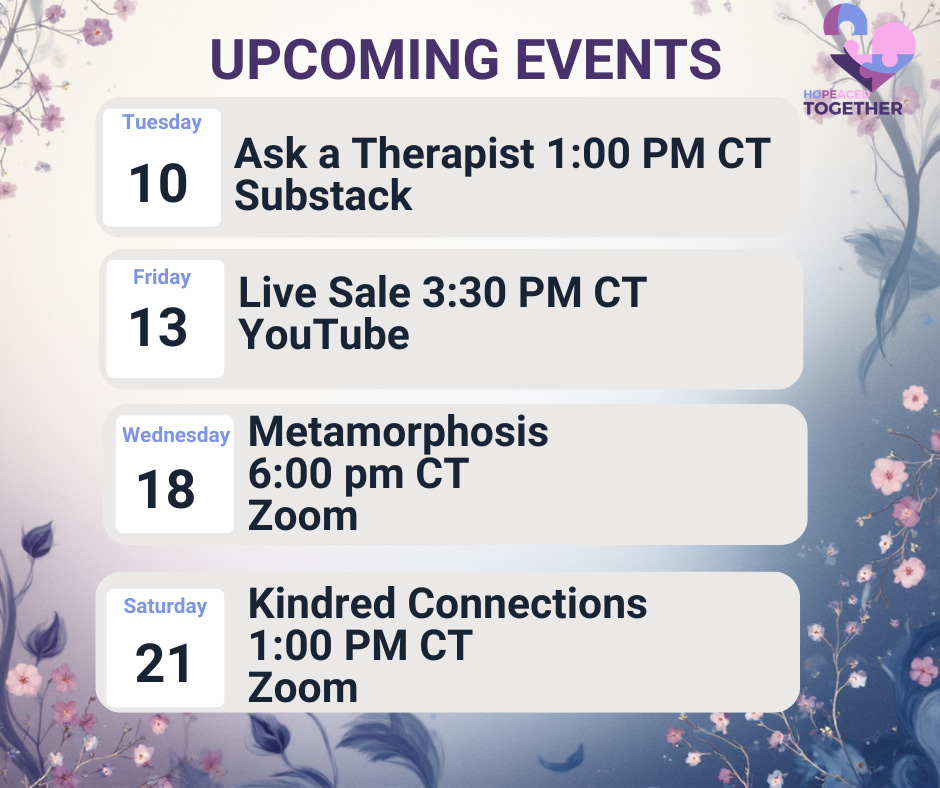
New Offering
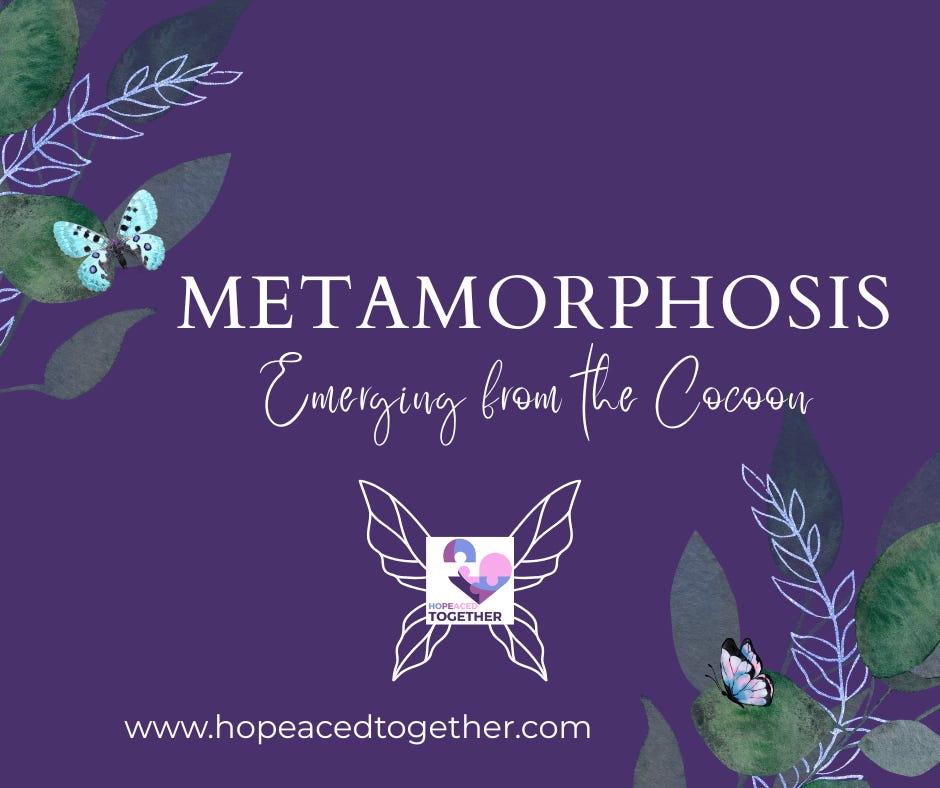
Metamorphosis: Emerging from the Cocoon is a supportive group for individuals navigating life after hardship and transition. This is a space for reflection, connection, and gentle growth. Share your experiences, rediscover your strengths, and explore what comes next. Whether you are rebuilding, redefining your path, or simply taking the next small step forward, you are welcome here.
I hope to see you there!
Michelle R. Smith
Mental Health Therapist~ Writer~ Peacemaker~ Advocate🕊
Michelle, your comments on the four noble truths help me gain perspective on the “harder” parts of life. Thanks for writing
Michelle, I love how this work reframes those truths not as a distant philosophy but as lived, human insights — something we can explore inside our own breath, choices, and kindness. In a world that often asks us to push discomfort away, it’s a gift to be invited to sit with it, understand it, and then — gently, patiently — move toward ease.
Thank you for sharing this here. I’m grateful for the space to reflect on what it means to feel, to name, and to let be. 🙏💛✨